Sustainable diesel slashes CO2 emissions at water authority
Noorderzijlvest Water Authority sustainable HVO100 diesel (Hydrotreated Vegetable Oil) for its entire fleet of machinery and three pumping stations. This results in a significant reduction in CO2 emissions. HVO100 delivers a CO2 reduction of as much as 90 percent compared to regular diesel. The use of this fuel aligns with the water authority sustainability goals, such as becoming climate-neutral in the long term.
Procurement of sustainable diesel put out to tender again
Noorderzijlvest aims to incorporate sustainability into its daily operations as much as possible. Together with Drents Overijsselse Delta, the water authority recently re-tendered water authority procurement of sustainable diesel. Future Fuels emerged as the winning coach.
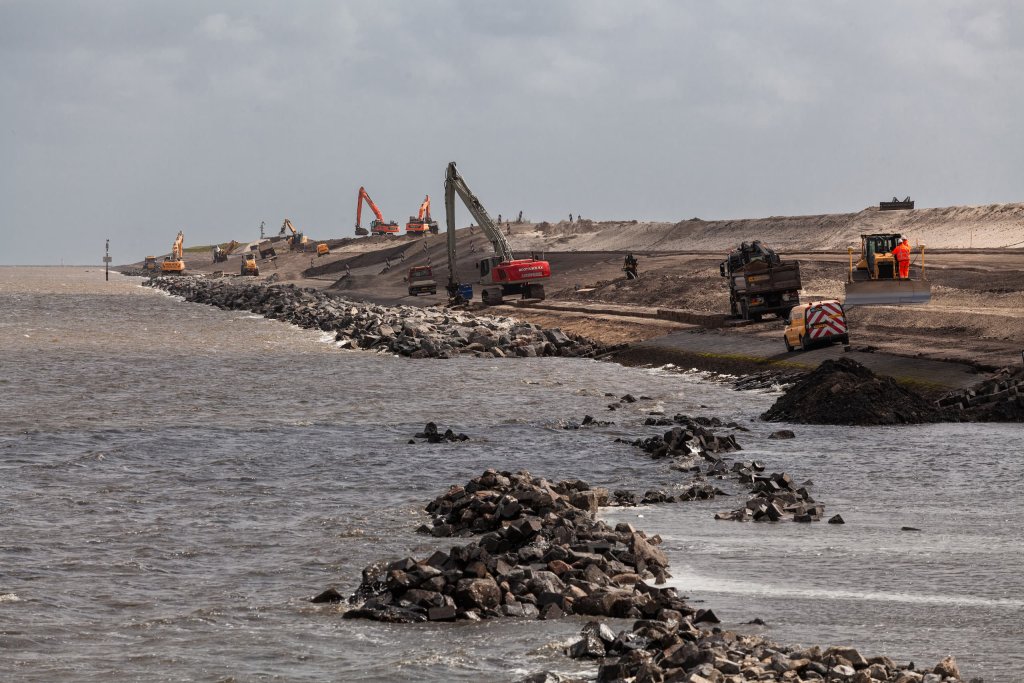
“In addition to using sustainable diesel for all our own field equipment, we also encourage the parties working for us ‘in the field’ to use the same fuel,” explains board member Herman Beerda. “So in addition to the water authority tractors, cranes, and dredgers, this also water authority machinery from contractors and service providers, as well as the tanker trucks that transport our sewage sludge from wastewater treatment plants. Our water authority 640,000 litre per year. That makes a significant difference in CO2 emissions.”
Fully circular
The HVO100 diesel used by the water authorities is made entirely from used cooking oil, making it a circular product. This sustainable diesel reduces CO2 emissions. It also requires less urea solution to be added to reduce nitrogen oxide emissions from the exhausts of heavy-duty diesel vehicles.
To encourage companies and organizations that water authority wish to) bid on contracts for the water authority to emit less CO2, Noorderzijlvest uses the CO2 Performance Ladder. Bidders who ensure lower emissions can gain an advantage in tenders.