Will you join us on our journey?
From time to time, we post short messages about conversations we have had about the 'Water and soil guiding principle'. Will you join us on our journey?
Building blocks are forming: initial results from the listening phase!
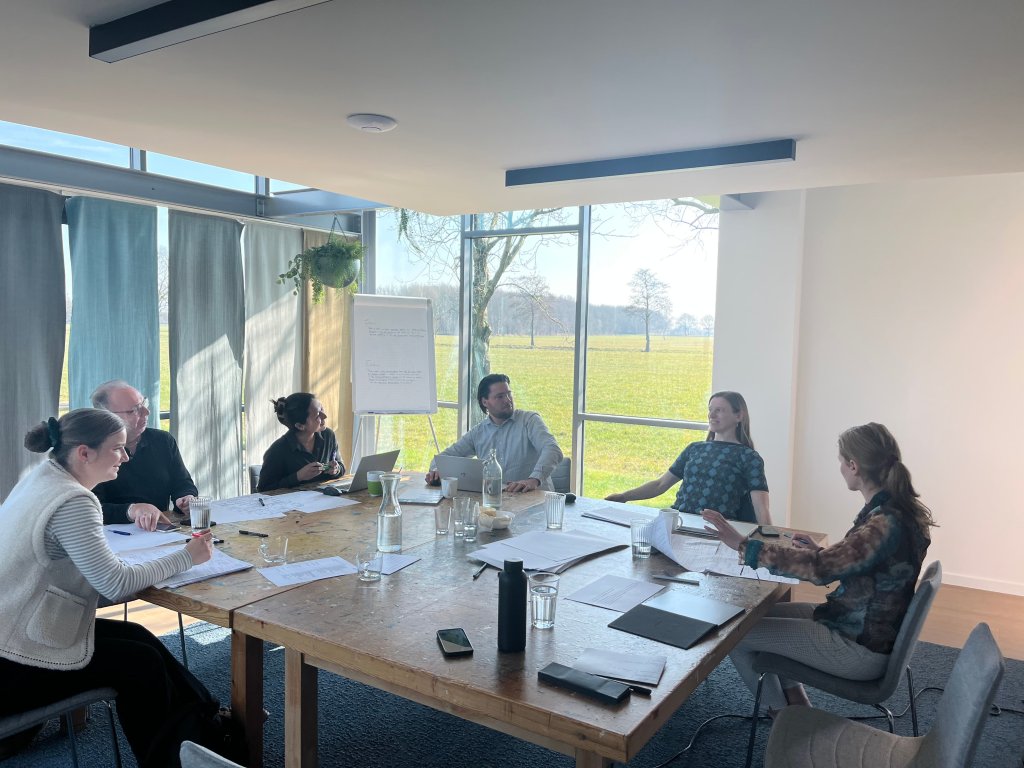
On Thursday 20 March and Thursday 3 April, the NZV analysis team met to analyse all the data collected during the listening phase. And that was no small feat: we went through all the input from internal and external conversations. Reading, reading, and reading some more.
During and between meetings, each team member independently analysed the data and formulated his or her insights. We then shared these insights with each other. The result? A rich collection of insights that we clustered into a number of building blocks during the second session.
What exactly is a building block?
A building block is a summary and guiding insight. It is not a solution, but it does help us focus on what really matters. They arise from what people really say, feel, or need—and are therefore always people-oriented. Building blocks are a foundation: they help us make choices and test ideas during the further design process.
During the session on 3 April, we worked toward establishing common building blocks in a series of steps. From individual input to shared essentials. Each insight was discussed, clustered, refined, and ultimately tested against our study questions.
The result? A nice set of building blocks that guide the next step in the process. What exactly are they? We'll share that soon!
Curious? Keep an eye on our site for a first glimpse.
Waterbedrijf Groningen: from separate jigsaw pieces to one big picture
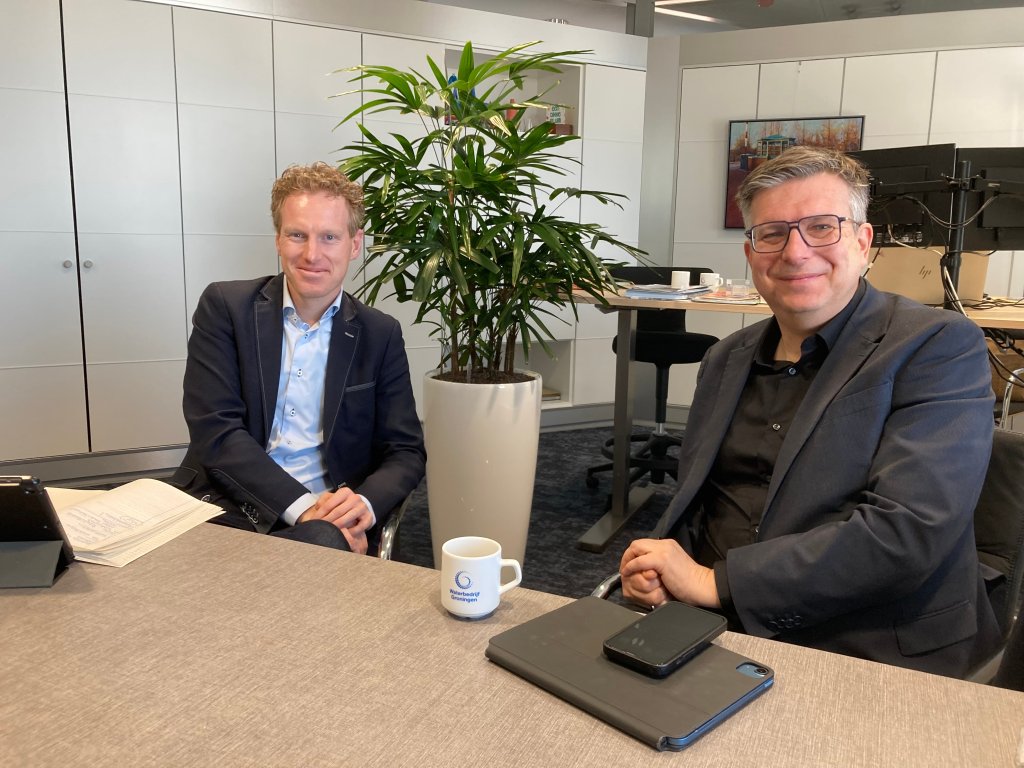
On 3 March, Dyke Reeve Roeland van der Schaaf spoke with Director Riksta Zwart and Strategy and Research Team Manager Andre van Toly of Waterbedrijf Groningen. The conversation about applying a "water and soil guiding principle" approach quickly turned to the need to develop greater collective clout. 'There are some very good ideas on paper; it's about what we actually do together,' says Riksta Zwart. The water company would welcome it if governments, water companies, and businesses in the sector developed a 'helicopter view' of the challenges in the functioning of the entire water system. 'We tend to approach the issue too much from our own interests, because that is our job,' says André van Toly. "But we also know that it is much more rewarding if we stop putting together separate pieces of the jigsaw and instead solve the big picture," he concludes. This can be achieved by continuing to understand each other's interests and maintaining a dialogue. This conversation in the context of our study was a valuable start in that regard.
Engaged residents, valuable insights: a successful session in Groningen
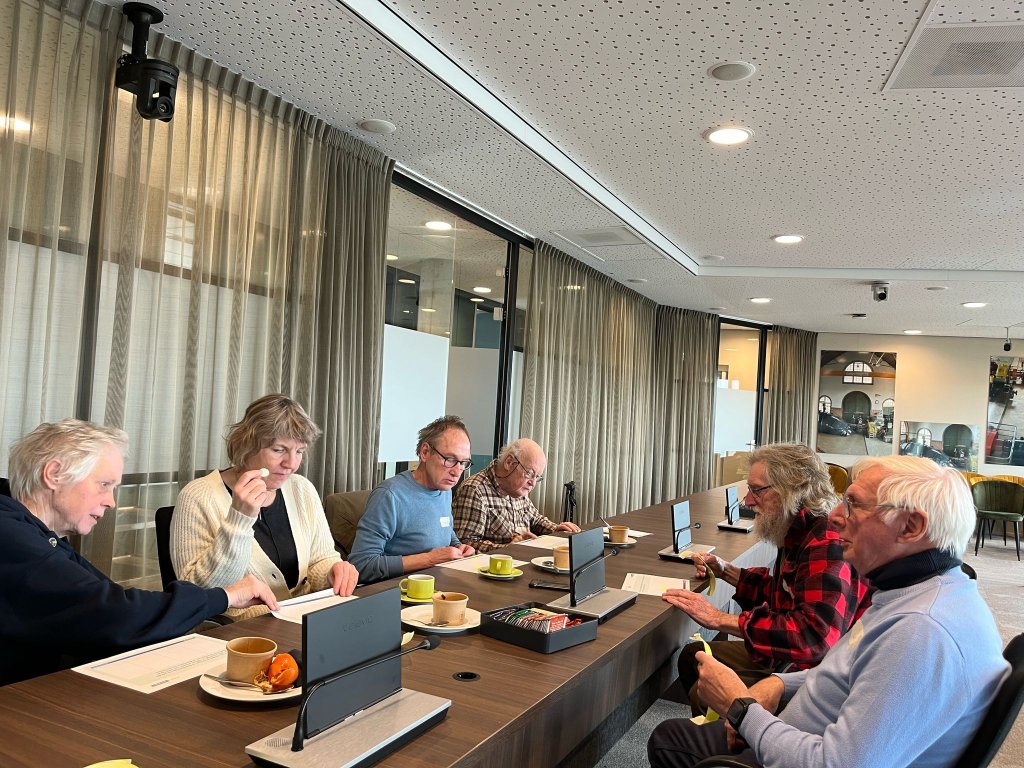
On Thursday 27 February, the study team—consisting of Pim, Irene, Rianne, and Richard—met with a diverse group of twelve concerned residents from the Lewenborg and Beijum neighbourhoods. Between 12:00 and 14:00, we discussed their ideas, concerns, and perspectives at the Water-authority office in Groningen.
The meeting took place in an informal atmosphere, in which we used various working methods to gather as much valuable input as possible. The energy in the group was high, partly thanks to the active involvement of the participants.
This inspiring session provides us with a solid foundation for the next meetings. We look forward to continuing the discussion and working together on a future that meets the needs and wishes of the residents.
On to the next step!

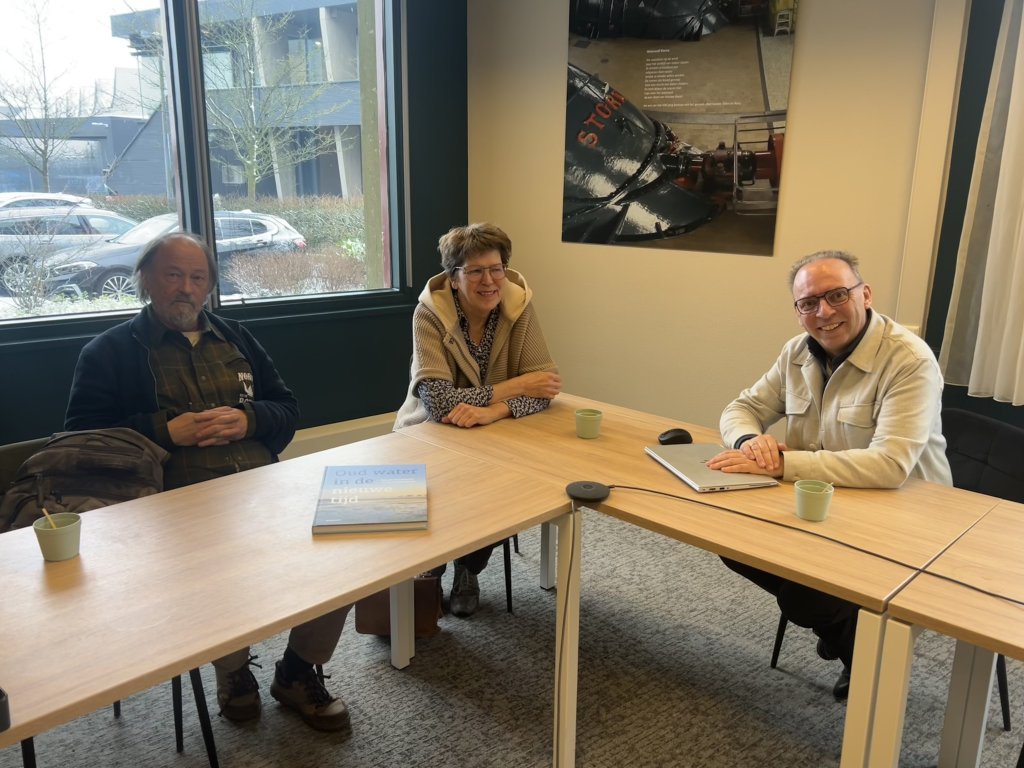
In conversation with Ineke Noordhoff and Ab Grootjans – co-authors of Oud water in de nieuwe tijd (Old Water in a modern age)
On 11 February, Henry Frieswijk spoke with Ineke Noordhoff (journalist and landscape historian) and Ab Grootjans (professor emeritus) about their views on the idea of making 'water and soil' a guiding principle in spatial planning. Their message: don't just look at surface-water management, but look at groundwater too. "Because that is where the water cycle begins," says Grootjans. So, the basis for future-proofing of our region lies primarily in caring for groundwater.
The vision documents of the water authority could be much more assertive in stating what we mean by 'the limits to the malleability of our water system' or what 'future-proof' actually means. Noordhoff: "We still pay too much attention to the interests of landowners and the current function of the land. We need to look at the importance of a healthy water system and use that as a point of departure for looking for solutions."
The book Oud water in de nieuwe tijd (Old Water in a modern age) (www.inekenoordhoff.nl) , published last year, aims to contribute to developing a substantive and integrated vision for a sustainable and resilient water system.
Study team in discussion with experts on water and soil
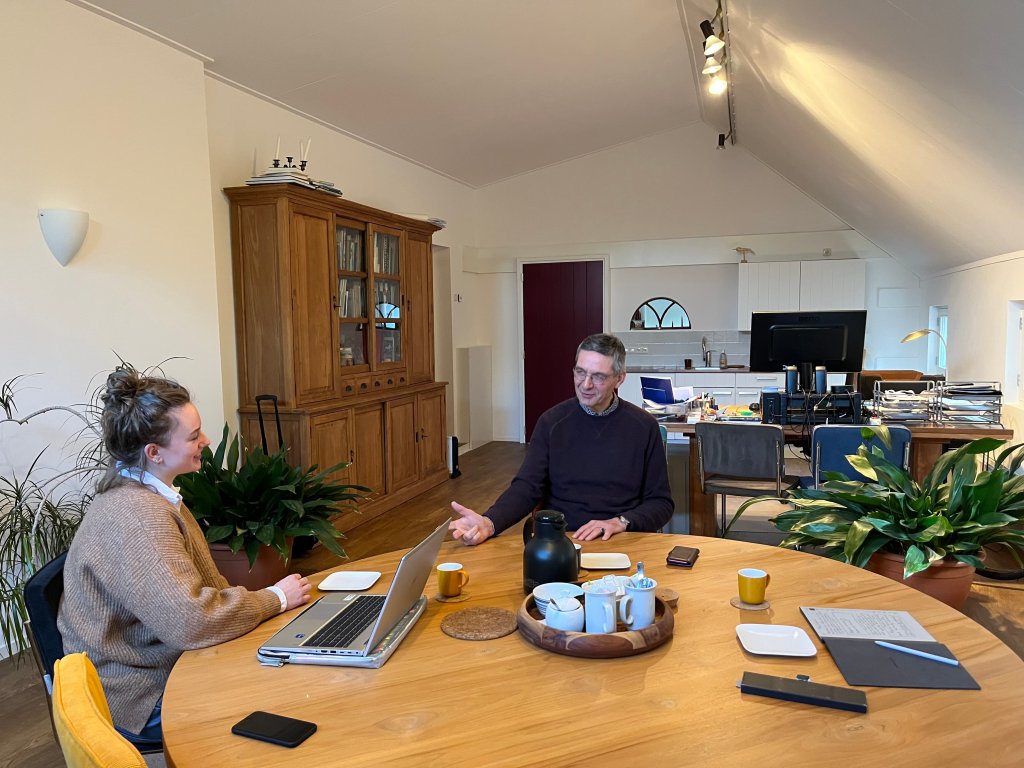
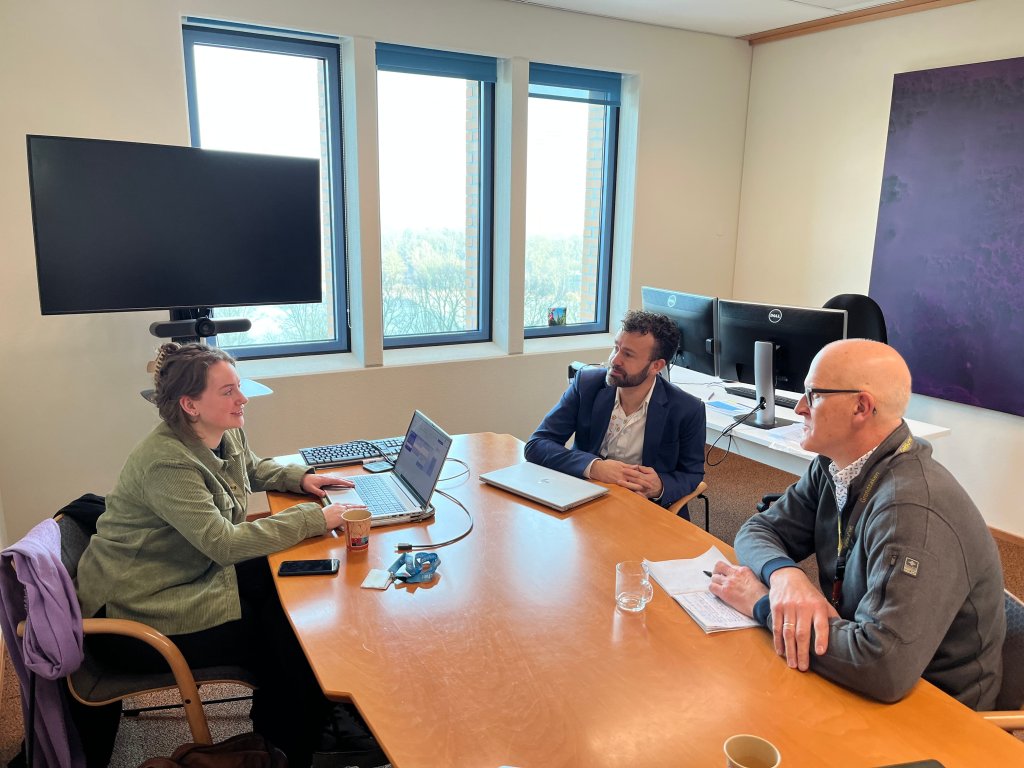
The study team has once again set out to gather valuable insights. On Monday, 3 February, Marly Visser and Richard Zwarts spoke with Joris Bongenaar and Kasper Hoiting from Gasunie. After a thorough identity check, they were welcomed by Joris Bongenaar. They took the elevator through the impressive lobby to the 7th floor, where a fascinating hour-long interview took place. Once again, the conversations yielded valuable insights.
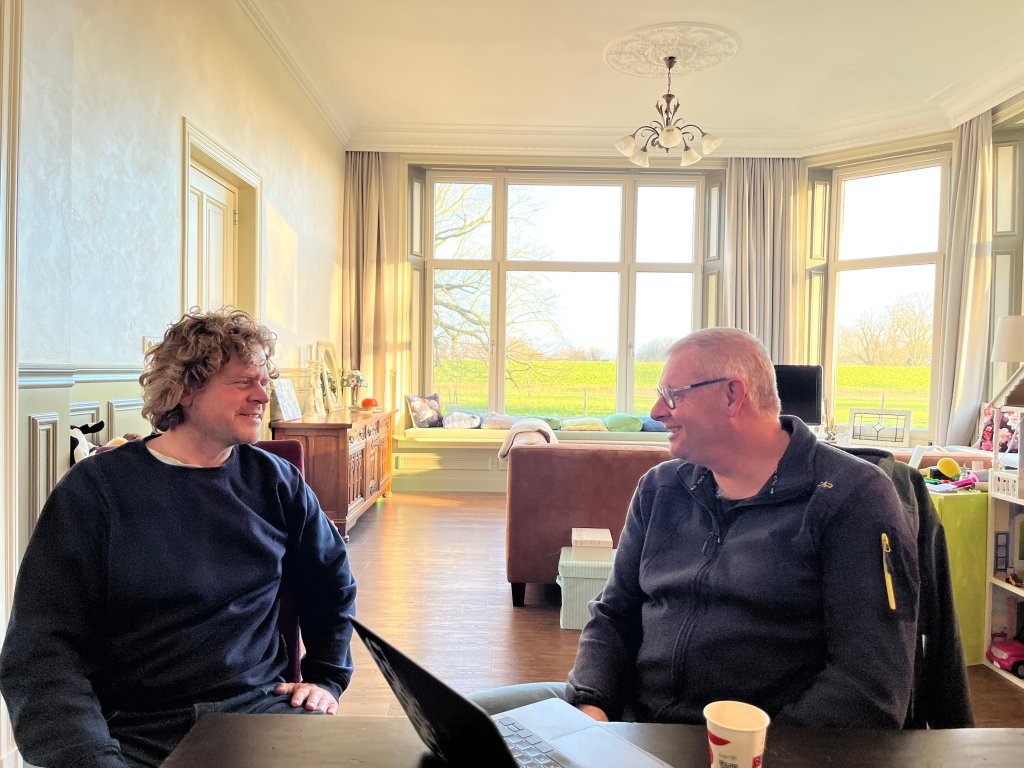
On Thursday 6 February, Peter Lalkens and Richard Zwarts spoke with Frank de Schutter, a farmer in Het Hogeland in Vierhuizen and also a board member of LTO Noord, Het Hogeland division. Frank runs two farms where he grows seed potatoes and onions, among other things. During the conversation, he shared his inspiring vision on water and soil management, giving the researchers his perspective on a sustainable future.
With these interviews, the study team is taking the next step in gathering knowledge and practical experience related to water and soil.
Conversation with Titian Oterdoom - Lauwersmeer Future Perspective Initiative Group
On Monday 27 January 2025, Marly Visser and Richard Zwarts spoke with Titian Oterdoom, independent chair of the Lauwersmeer Future Perspective Initiative Group.
In an atmospheric setting, in the middle of the woods just outside Paterswolde, they discussed the idea of 'Water and Soil as a guiding principle'. Titian took time to share his vision on this topic. He emphasised that the 'Water and Soil guiding principle' should not be a principle, but a starting point. According to him, the urgency is great and it is crucial to consider water and soil as leading factors in spatial development and policy.
During the conversation, various perspectives were discussed, and the consequences and possible solutions were explored in greater depth. The insights shared by Titian will be incorporated in the further development of this theme.