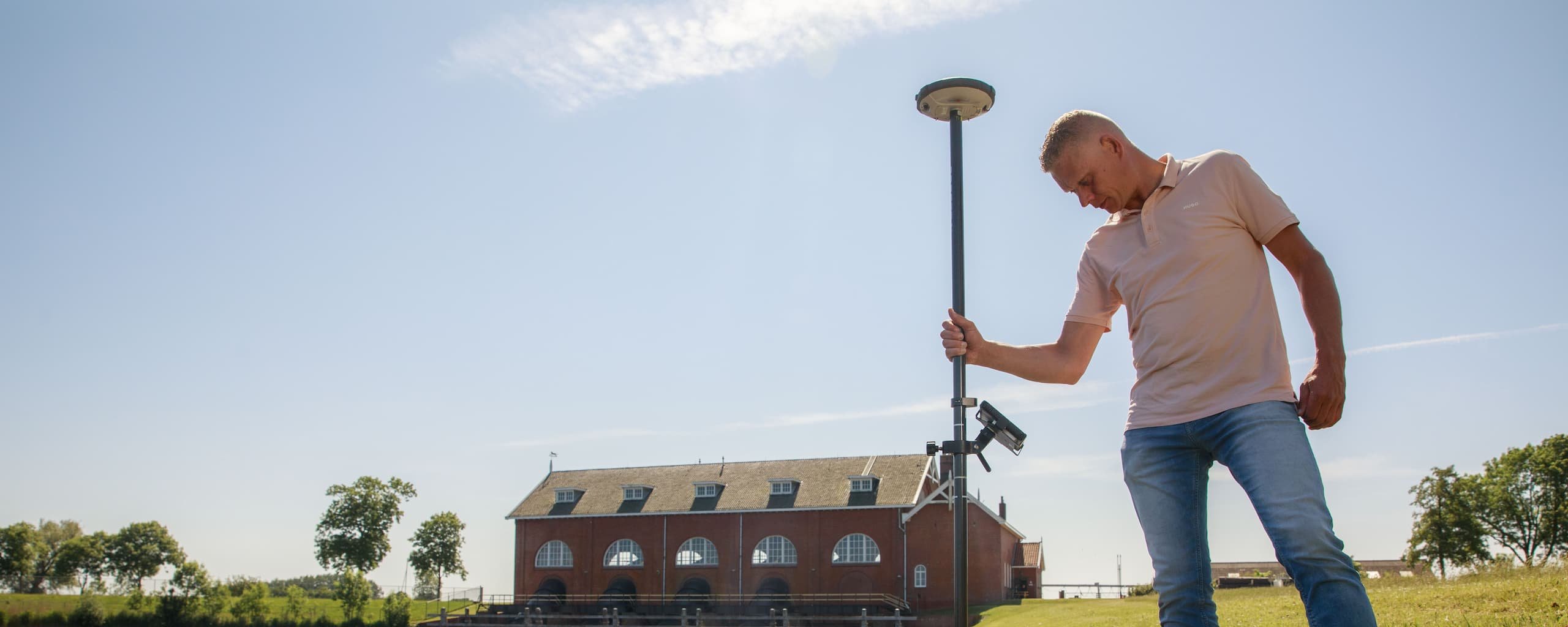
Roelf - Water Level Manager
“I first worked in maintenance, mowing watercourses with a tractor. It was a great job, but when I started training to become a supervisor in the green-blue space, I saw other opportunities. I was able to start working in water level management. Now I have a lot of contact with the local community, residents, farmers, and nature organisations. Should the water level be higher or lower? It's always a matter of weighing up different interests.
‘You have to be able to read the water’
The bar is set high
I love water. It is dynamic and soothing at the same time. I could watch it forever. Every day. And water is important. We all need it. In my job, I want to waste as little water as possible. I set high standards for myself. A new challenge is to get more freshwater into the coastal areas. But that takes some effort; it's an art to use the pumps and pumping stations the right way.
Sometimes, as a water level manager, you have to choose the lesser of two evils. When it is really dry, you can let the water level drop, with all the consequences that has for life in and around the water. Or you can allow lower-quality water in so that the water level remains stable.
It also true that theoretical plans do not always work in practice. In that case, the water system manager jumps into my car and we go out into the field to see what the issues are and how we can solve them. At the same time, I find the data analyses of the water system manager or hydrologist really useful. They help me determine the correct water level.
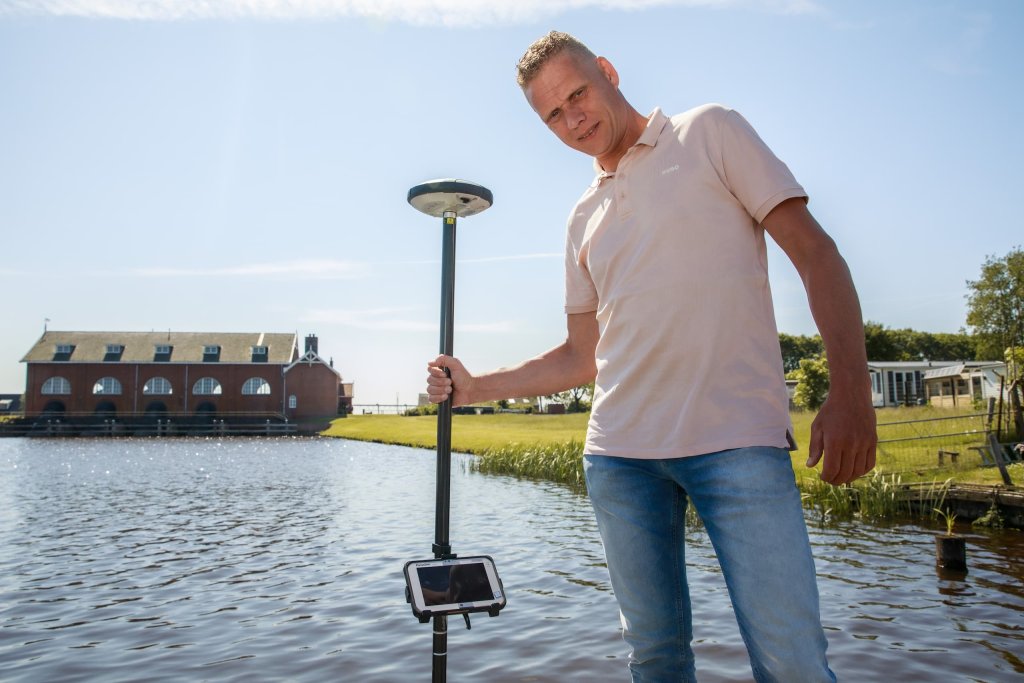
‘In the Netherlands, it’s easier to become a professional football player than a water level manager.’
I often joke that in the Netherlands, it's easier to become a professional football player than a water level manager. That's true, you know - we have many more professional football players than water level managers. It's a real specialism and a profession that you mainly learn through practical experience. Of course, you need technical knowledge and you have to be able to read maps, but it's just as much about common sense and learning by doing.
From irrigation to culvert
I live in the area and know it well. People come to me with all sorts of issues. They want a permit for irrigation or think the water level is too high or too low. My colleagues also have questions. For example, they might be working on a new dam and ask me what dimensions they should use for the culvert, a tube-shaped structure that connects bodies of water.
My job is demanding. You have to be able to read water and be stress-resistant. You have to be cut out for it. But the great thing is that water never gets boring.
Will it be water-management work for you too?
We work together to get the water balance just right. But we think a good work-life balance is just as important! When you work for us, you can combine meaningful work with job satisfaction and great terms of employment.