Built heritage
A history full of life with, against, and around water has left its mark on the buildings. While pumping stations and locks spring to mind immediately, the heritage of a water authority often turns out to be more diverse than you may think. Below is an overview of our built heritage.
Bridges
After water was dug, bridges were often built across it. The water authority owns several bridges that are of historical importance.
Steentil
The Steentil bridge is probably the oldest bridge in Groningen. Foundations dating back to the thirteenth century have been found. On the bridge there is a copestone bearing the coat of arms of the province of Groningen.
Waarhuistil
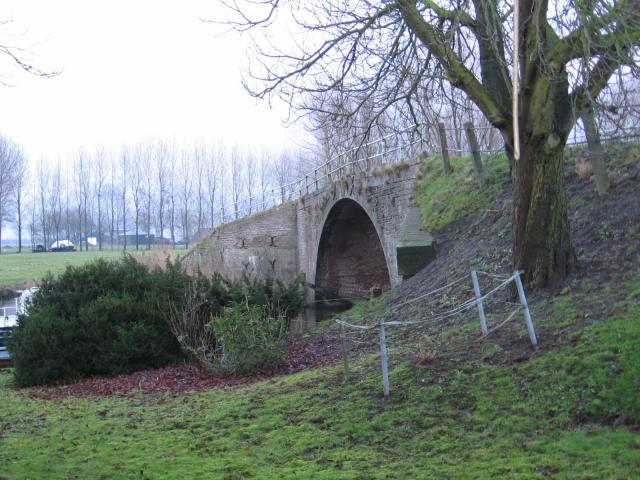
The Warenhuistil is one of two bridges over the Aduarderzijlen. It is one of the oldest concrete bridges in the Netherlands. Together with the lock below, this bridge forms a single entity. Alongside the current bridge, the scars of the old arch bridge are still visible on the lock.
Zuidema's klap
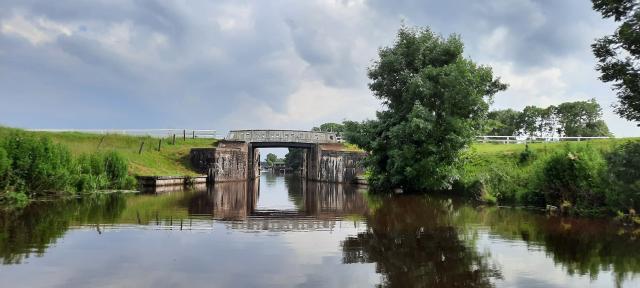
Zuidema's bridge is a drawbridge over the Hunsingo canal, built in 1879. The name of the bridge refers to the family who lived on the adjacent farm until 1966. The Hunsingo canal, the section between Ulrum and Zoutkamp of which was constructed in 1858, provided an inland shipping connection from Winsum to Zoutkamp.
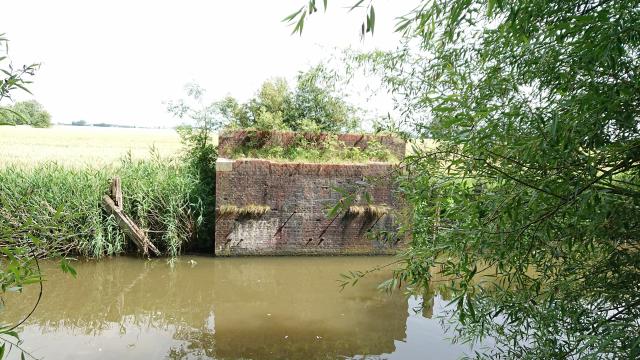
Abutments of the former Mensingeweer railway bridge
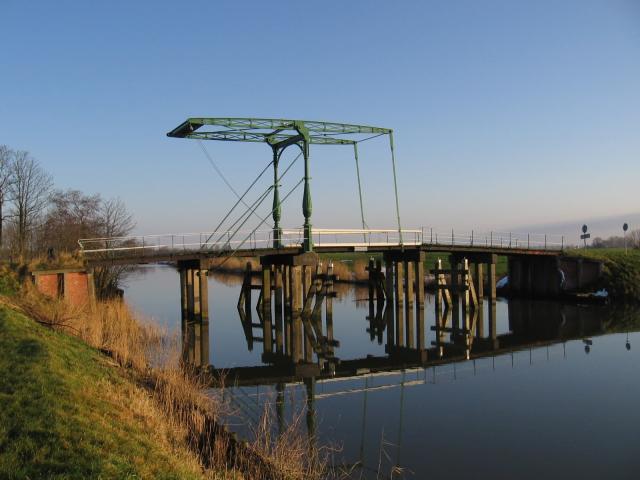
From 1922 to 1942, there was a railway line between Winsum and Zoutkamp. In several places, this railway line crossed the water. At Mensingeweer (and Wehe den Hoorn), the old abutments that supported the span are still visible in the landscape.
l
Culverts and sliding gates
In the past, these culverts were brick-built and the sliding gates were made of cast iron. In the Noorderzijlvest Water Authority region, these structures can still be found if you look carefully.
Sauwerd culvert
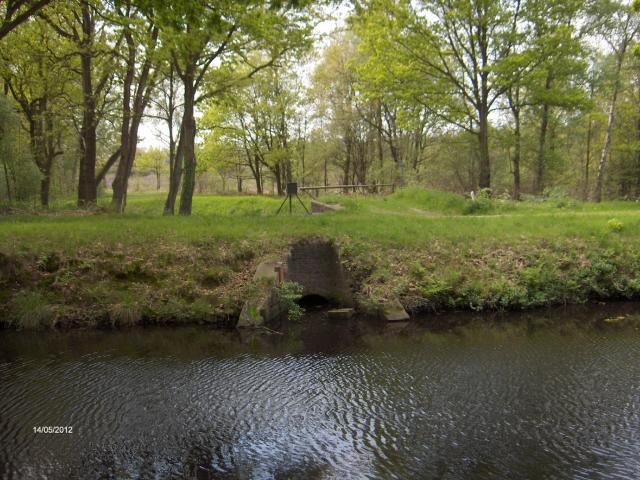
There are three brick culverts near Sauwerd. Most culverts are simpler in design than these, which makes them unique.

Reitdiep inlet, Garnwerd
This old inlet used to connect the Reitdiep and the Oude Diepje. The check valve prevented the Oude Diepje from filling up with saltwater at high tide. This inlet can still be admired from the Reitdiep.
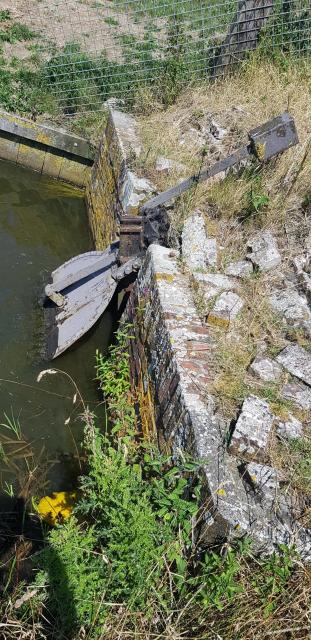
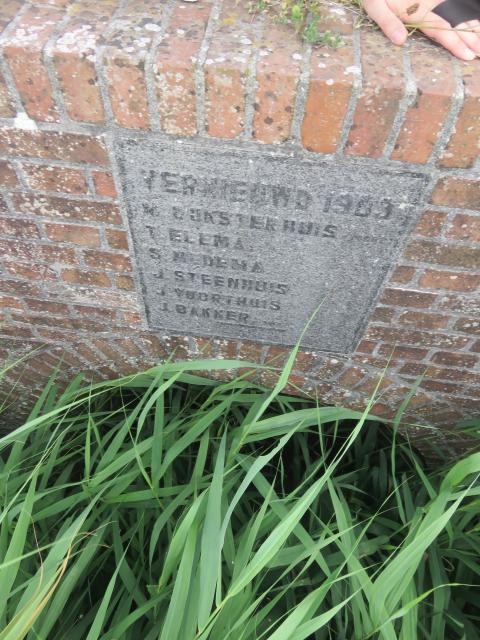
Great Tjariet culvert
The culvert from 1903 here is unique because of its masonry and the memorial stone that indicates its origin.
Hornhuizen sliding gate
The sliding gates at Hornhuizen were used to close the ditches by closing the sleeper dykes when the sea dyke could be breached during a flood. With the loss of the water-retaining function of the sleeper dykes, the sliding gates lost their function. These days, they are mainly there as a reminder.
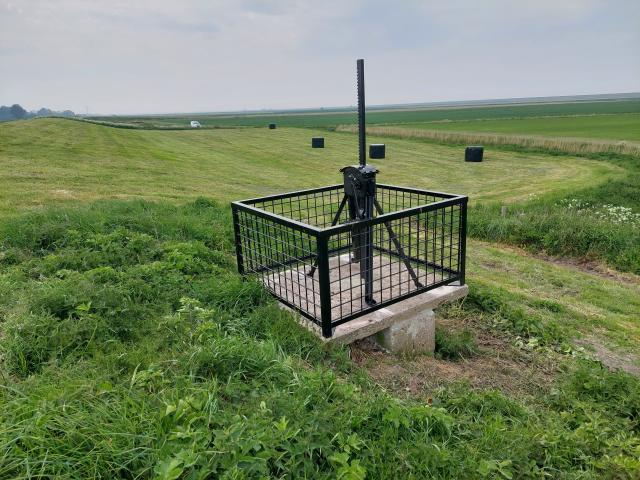
Kolonievaart sliding gate
The Kolonievaart canal to Veenhuizen is special because of its connection to the UNESCO World Heritage Site. The canal has five locks that bridge the large drop, as well as a sliding gate. This is because the entire area is difficult to supply with water. The sliding gate made it possible to let water in in a controlled manner to supply the area with water.
Pumps
For seven centuries, we have kept our feet dry by pumping water out of our polders. First with windmills, then with steam and diesel pumping stations, and now with electric pumping stations. Many pumping stations are still there or commemorated in the form of memorial stones. The water authority placed the polder mills under the Groninger Poldermolenstichting (Groningen Polder Mill Foundation) and owns three large diesel pumping stations with the original machines. They are all managed by the water authority.
De Waterwolf
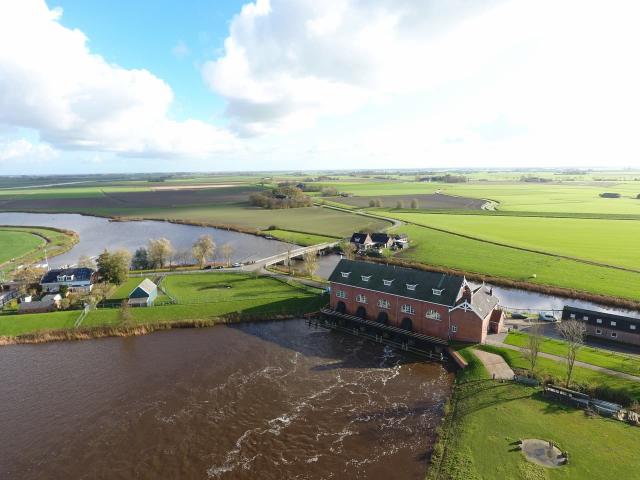
De Waterwolf is the water authority's largest pumping station and is one month younger than the well-known Wouda pumping station. The pumping station has a capacity of 4,500 cubic metres per minute and pumps water from the Reitdiep (Elektra catchwater) to the Lauwersmeer catchwater. When it was completed in 1920, it was the first electric pumping station the Netherlands. Subsequently, the pumping station was converted from electric to diesel. As a result of subsidence, two pumps (500 cubic metres/min) have been added, both of which are electric. The building itself was constructed in a traditional craftsmanship style.
Diepswal
Diepswal is a pumping station that pumps water into the Leeksterhoofddiep canal in the summer. The pumping station is a sober design with facade openings around the door and windows. The pumping station is next to the 'Derde Verlaat' lock.
Damsterdiep sewage pumping station
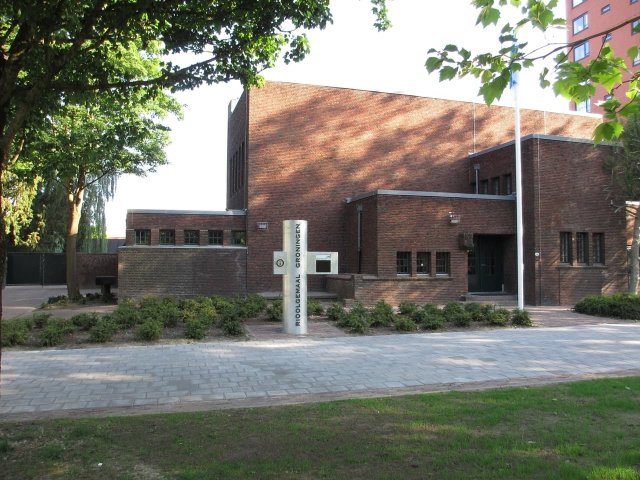
The Damsterdiep sewage pumping station was built in 1928 to drain the new Plan Oost (Oosterparkwijk) urban expansion. The style of the building is cubist expressionism. The entrance is decorated with a characteristic granite sculpture designed by sculptor W. Valk, which incorporates the year 1928. Inside the building, the original wall tiles and stained-glass windows are still present.
Matsloot
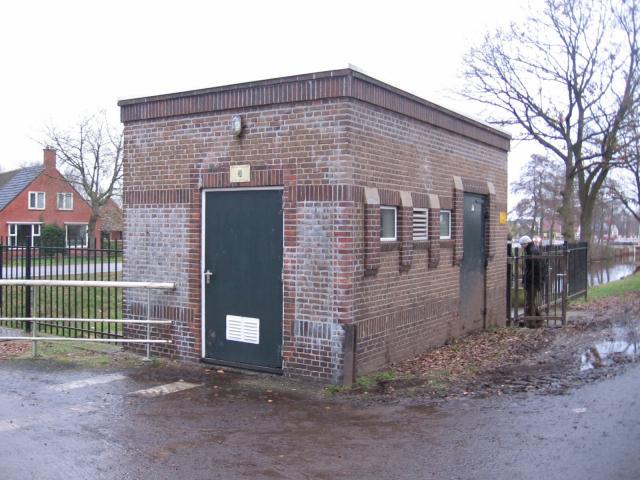
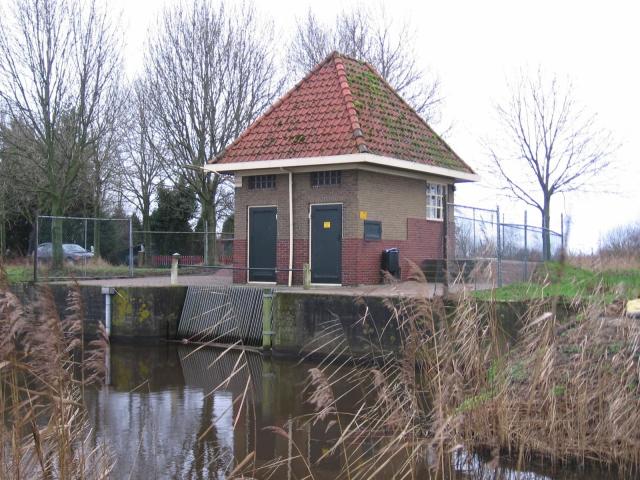
The Matsloot pumping station was important for water management in north Drenthe. The special aspect of this pumping station is its exterior, with red (lower) and yellow (upper) bricks under a protruding hipped roof covered with improved red Dutch roof tiles. The pumping station still has its original system with two electrically driven screw pumps from Landustrie.
Peizermade
The Peizermade diesel pumping station (Hamersweg near no. 3) was built in 1935 in a simple Amsterdam School style. The pumping station kept the water in the Peizer- and Eeldermaden polders (approximately 1,800 hectares) at the desired level. The pumping station was still in daily use until mid-2015, making it one of the very few professional diesel pumping stations in our country. In 2015, the new Transferium pumping station took over the function of the old pumping station.
Lockkeeper's houses
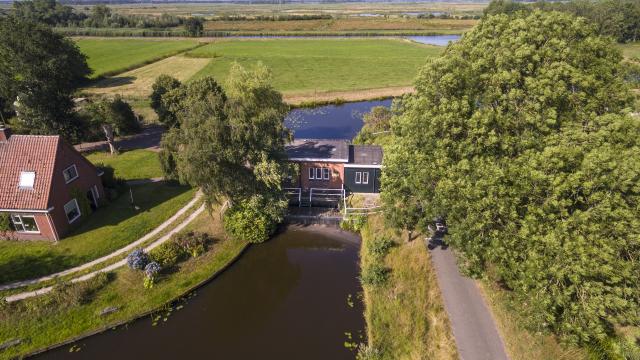
Traditionally, water authorities were responsible for draining excess water. This was done at the locks, where the lockkeeper operated the lock. As the locks were operated at low tide, which could also be at night, the lockkeeper lived in a house next to the lock: the lockkeeper's house. Lockkeeper's houses often had additional functions as inns or taverns, and small-scale cottage industries were also carried out there.
Aduarderzijl
The current lockkeeper's house in Aduarderzijl was built in 1706, as was the lock alongside it. The foundations of the old blockhouse (a fortified house from the fourteenth century) can still be found in the building. The warehouse is currently leased to the King and Queen.

Schaphalsterzijl
The Schaphalsterzijl lockkeeper's house, dating from 1843, is located next to the Schaphalsterzijl lock. It was the place where the board of the former Schaphalsterzijl Water Authority held its meetings. The complex consists of a front part of the house, an attached barn, and a wooden shed dating from 1917.
Schouwerzijl
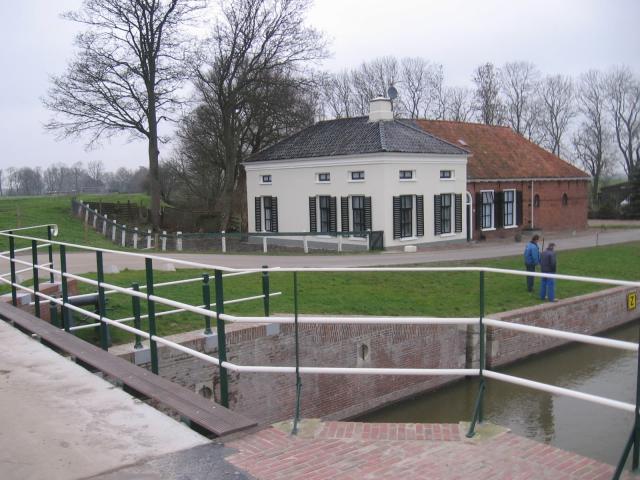
The Schouwerzijl lockkeeper's housewas built in 1851. There is an eel on the chimney, indicating that the lockkeeper had the right to catch eels. The old coat of arms of the former water authority can still be seen on the facade. The current living room has two windows on each of three sides so that the ships can be observed easily.
Embankment walls
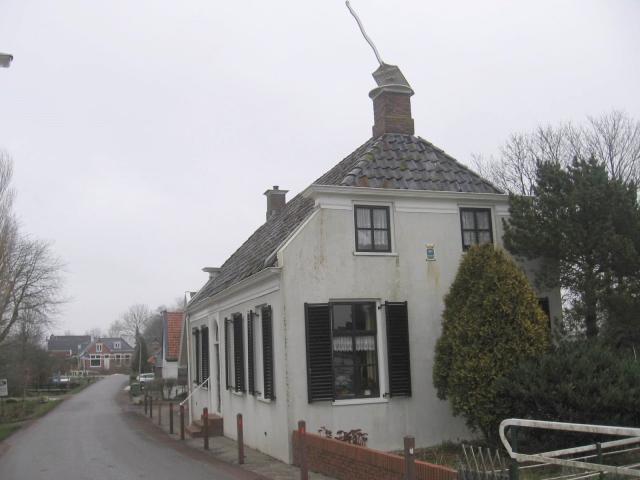
To ensure that a canal or ditch maintains the correct proportions and that the sloping embankment do not collapse, bank protection is used. In some cases, this is masonry.
Damsterdiep
The Damsterdiep is an important link between the city of Groningen and the sea. Along this channel, there are quay walls in various places, including vertical beams and vaulted walls.
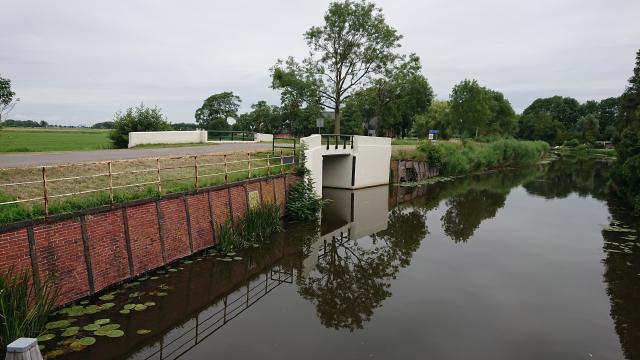
Kantens
The quay walls of the former lock in Kantens are representative of locks in the region. Locks are not uncommon, and this lock demonstrates the importance of water transport. In the past, there was also a strong connection with the warehouse. The quay walls are the main remnants of the former lock, but they are not authentic, given the great age of the lock.
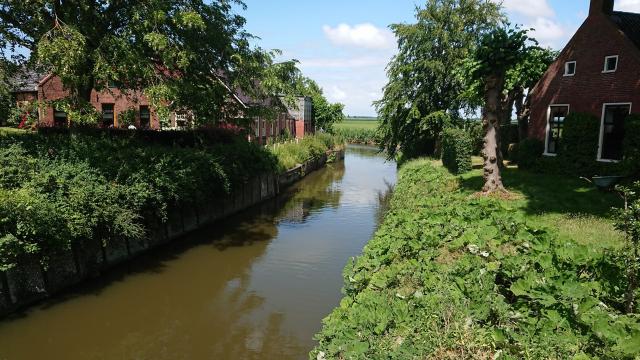
Schouwerzijl
The quay walls of Schouwerzijl are constructed with vertical beams and vaulted walls. The top has an angle iron with mooring rings, allowing ships to moor here.
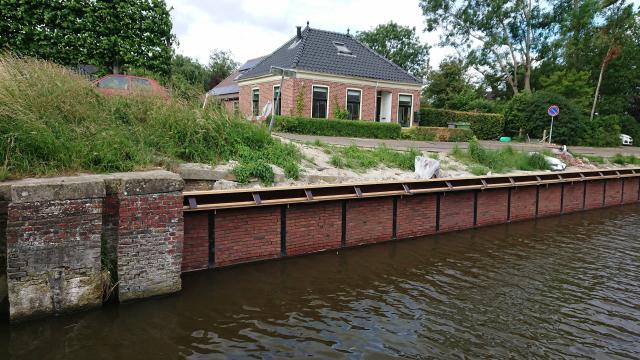
Onderwierum
Near Onderwierum in Oude Ae, there is a concrete jetty with a narrow-gauge railway. The jetty was used by a brick factory called De Griffioen, Allershof, or A.E/Westerdijkshorn to load clay from a field railway train onto ships for transport to the brick factory. The field railway, which is still present, has a gauge of 700 mm.
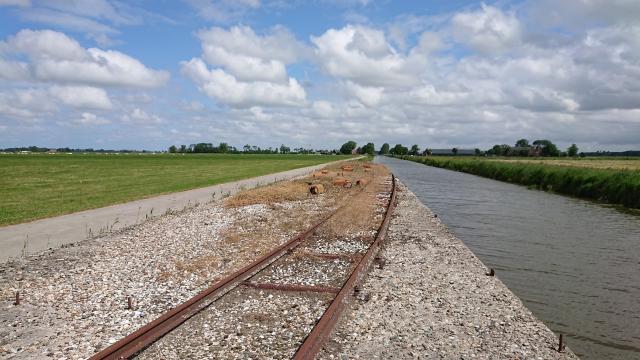
Eenrum
The harbour basin of Eenrum dates back to the 19th century. The fact that the harbour basin has brick walls indicates the importance of this harbour and the village of Eenrum.
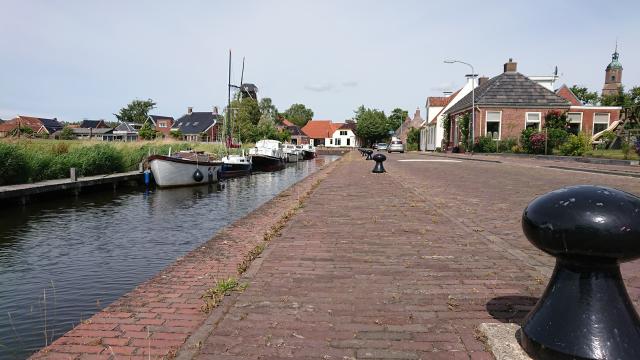
Muralt revetment
In 1907, Muralt revetment was installed on the former sea dyke at Zoutkamp. Muralt revetment was new at the time and was developed by Robert R.L. De Muralt. Today, muralt revetment has disappeared from many places in the Netherlands due to its limited effectiveness.
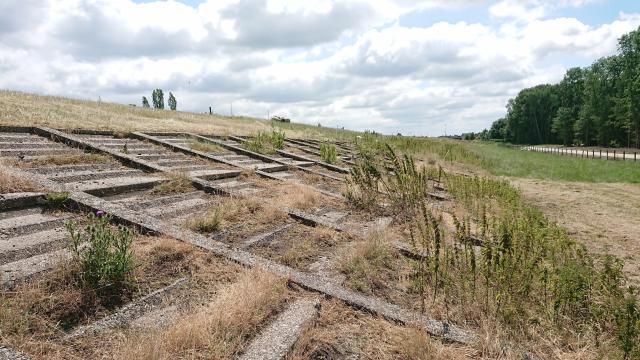
Artistic expressions
In the water world, civil engineering structures are referred to as structures. In addition to these 'structures', the water authority has works of art and memorial stones.
Linthorst Homanpolder
There are two memorials at the Linthorst Homanpolder. One commemorates the reclamation of the polder starting in 1939. The second is for the workers who died during the construction of the polder. There is an information board next to these memorials.
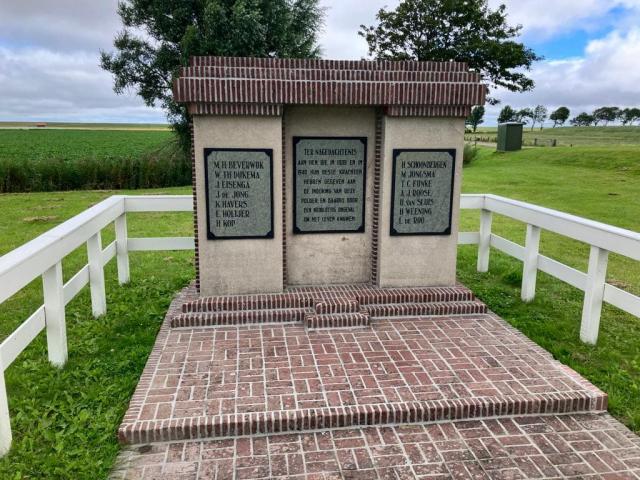
Negenboerenpolder
In the past, an old steam pumping station stood on this site. When this pumping station was demolished in the 1970s, this memorial stone was placed in 1979.
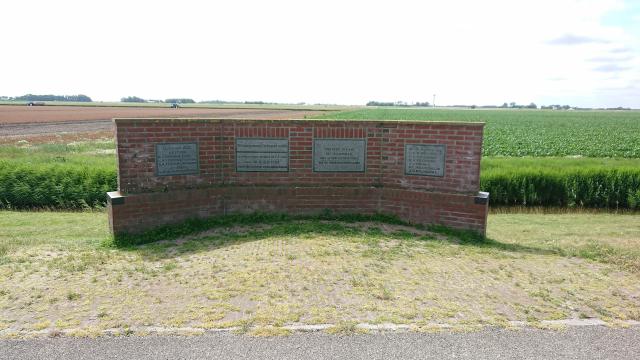
Westpolder
With the completion of the Lauwersmeer dyke, the pumping station became redundant. Therefore, it was demolished, and a memorial stone was placed in 1994.
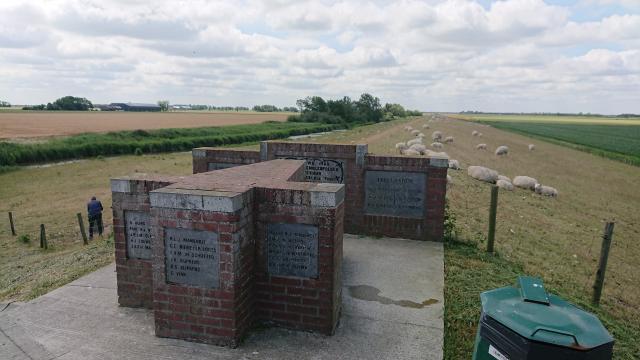
Drie Delfzijlen
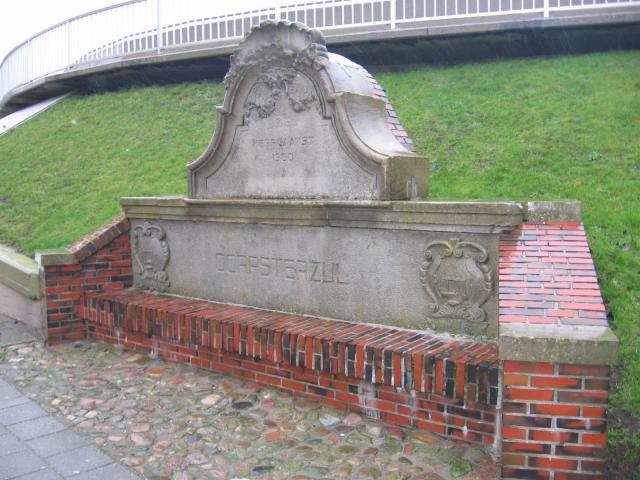
Against the sea dyke at Drie Delfzijlen pumping station there are two ornaments/cap stones from the old tidal barriers. The ornaments were from the Dorpsterzijl and the Slochter- and Garmerzijl respectively. Together, these memorial stones form the name of the current pumping station: the Drie Delfzijlen (locks in the Damsterdiep).
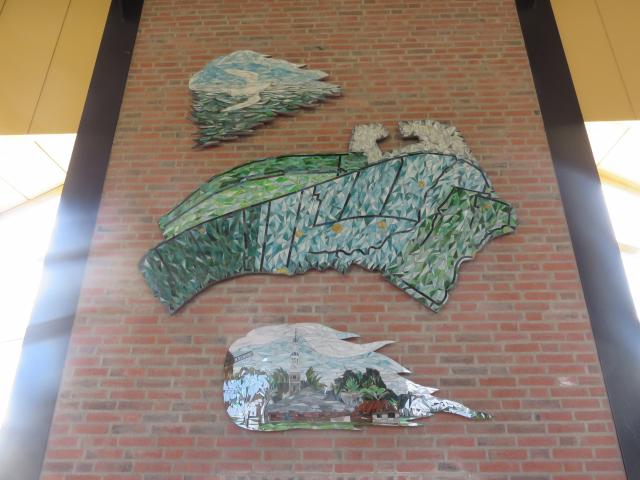
Spijkster pumps glass mosaic
This structure consists of three panels with glass mosaic. The panels hang above each other and depict, from top to bottom: a seagull, the area in northeast Groningen that is drained by the polder pumping station, and a view of Spijk.
Bollards
Over time, an extensive network of tow canals was constructed in Groningen. Towpaths were built alongside these canals. Today, they are often motorways.
Zuidwolde
The bollards from the second half of the 19th century in Zuidwolde were used for shipping on the Boterdiep. The towboats that travelled north or south on the canal from the city of Groningen could use the rolling posts to make the turn.
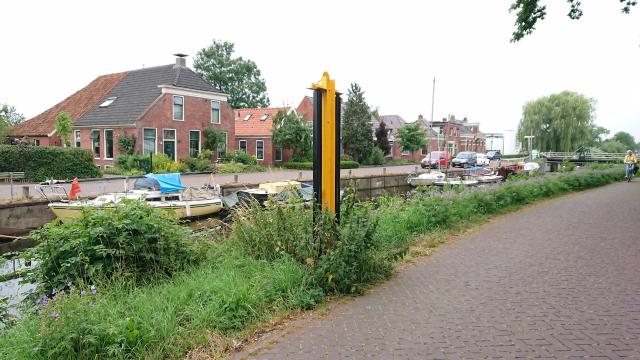
Onderdendam
There are several bollards in and around Onderdendam, the hub of the north Groningen shipping network. These were used to help towboats make turns or pass under bridges.
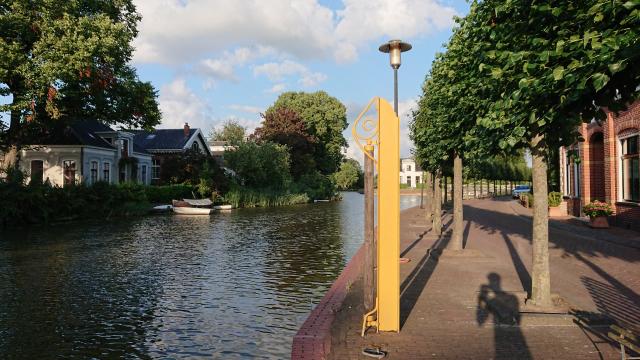
Locks
When you think of water authorities, you automatically think of locks. And that's right! The water authority has many locks that are of historical importance for water management in Groningen, Drenthe, and Friesland.Aduarderzijl
The Aduarderzijlen consists of two locks dating from 1706 and 1867. These locks were once surrounded by a fortification, indicating that this was a militarily strategic location. Today, the locks no longer serve an active function.
Wetsingerzijl
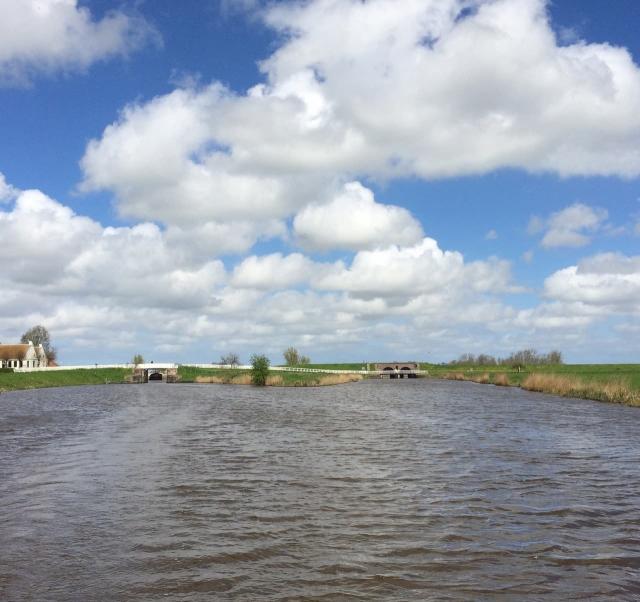
Wetsingerzijl was built in 1878 after the lock at Zoutkamp was completed. The story goes that the residents of Wetsinge had little confidence in the provincial excutive and built their own lock. In the past, the lock also had a warehouse and a swing bridge. Both disappeared over time.
Goliath lock
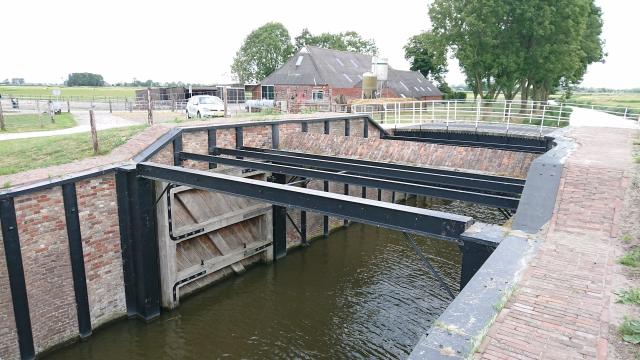
The Goliath lock was built in 1852 to drain the Eemspolder. When the Emmapolder was completed in 1944, the lock and the mill lost their function. In 2021-22, the lock was completely restored and the original wooden doors were replaced.
Noordpolderzijl
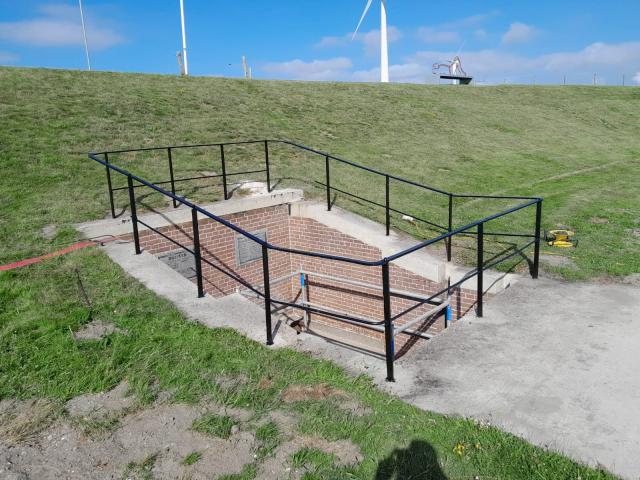
From 1811 onwards, the Noordpolderzijl lock was responsible for draining the Noordpolder. With the completion of the new pumping station 1982, the lock became redundant and was bricked up.
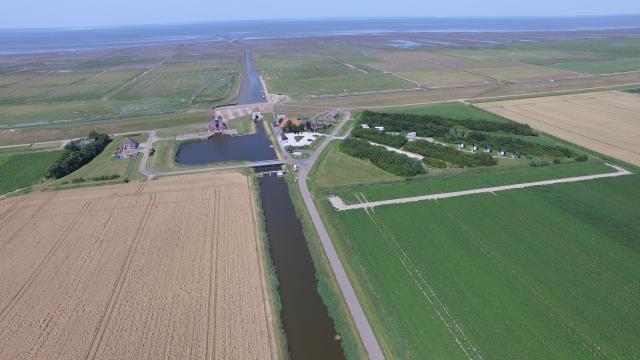
Kolonievaart
There are six locks in the Kolonievaart canal that have made navigation to Veenhuizen possible since the end of the nineteenth century. Today, three of these locks serve as a weir.
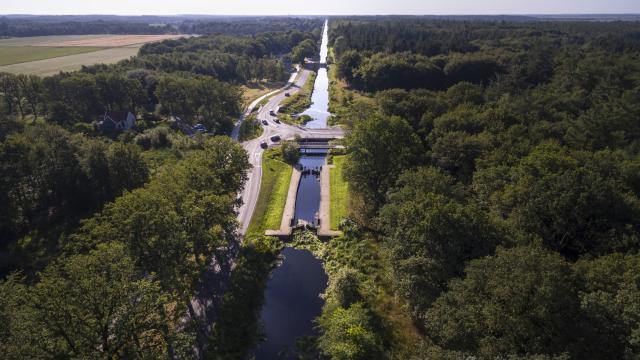
Oosterdijkshornerverlaat
This navigation lock from 1665 consists of a lock chamber with movable gates on the north and south sides. Bullet holes from World War II can be found in this lock. This lock is still in use today for recreational boating on the Westerwijtwerdermaar.

Hunsingo lock
The Hunsingo lock, dating from 1858, is located in Zoutkamp. This lock was originally built as a tidal barrier, but is being converted into navigation lock as part of the Nieuwe Waterwerken Zoutkamp project (Zoutkamp hydraulic-engineering works). This will give the lock an active function again. See Nieuwe Waterwerken Zoutkamp for more information.
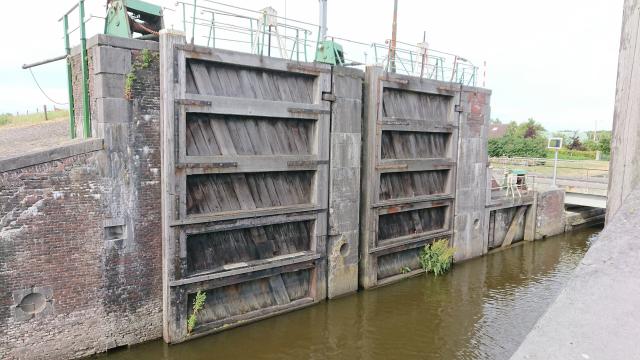
Dyke coupures and floodgates
Passages in dykes were important for farmers and citizens to cross the dyke. However, these passages had to be closed during high water. Remnants from that time can be found throughout our region.Electraweg
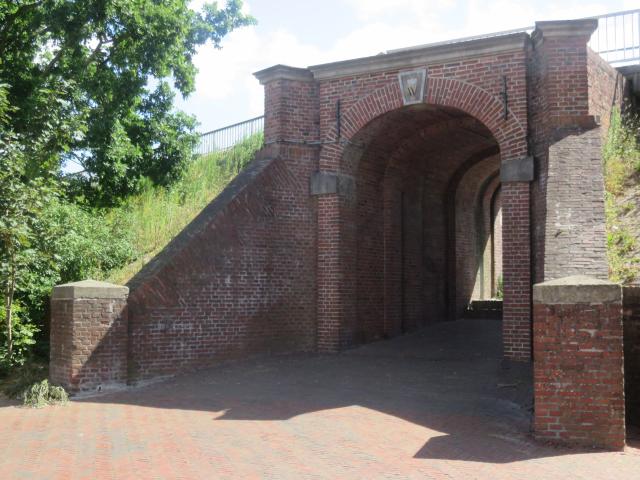
A coupure is a dyke passage of two concrete or brick walls with two stop-log recesses in the middle. Most coupures have a stop-log house where the beams were stored to close off the passage.
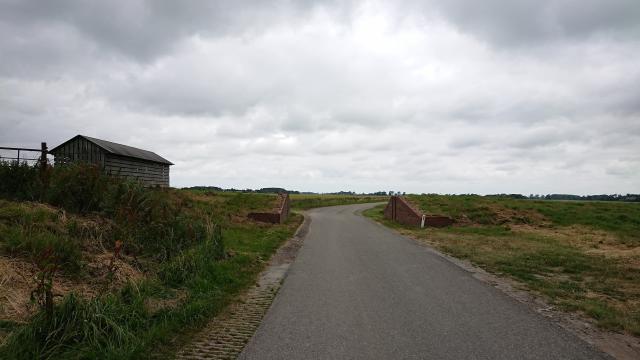
Delfzijl
The floodgate in Delfzijl, dating from 1833, is used to protect the city of Delfzijl against high water. When high water threatens, the floodgate is closed. Next to the gate is a memorial stone with the inscription: 'Storm surge 16 February 1962' and a line indicating the water level in that year.
Warffum
A coupureis a dyke passage of two concrete or brick walls with two stop-log recesses in the middle. This coupure does not have a stop-log house.
Defensive structures
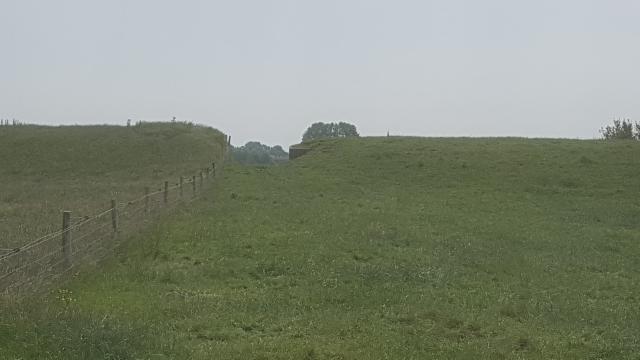
Defence structures and water authorities? It may sound like a weird combination, but the Noorderzijlvest Water Authority manages bunkers and a nuclear fallout shelter.Atlantic Wall bunkers
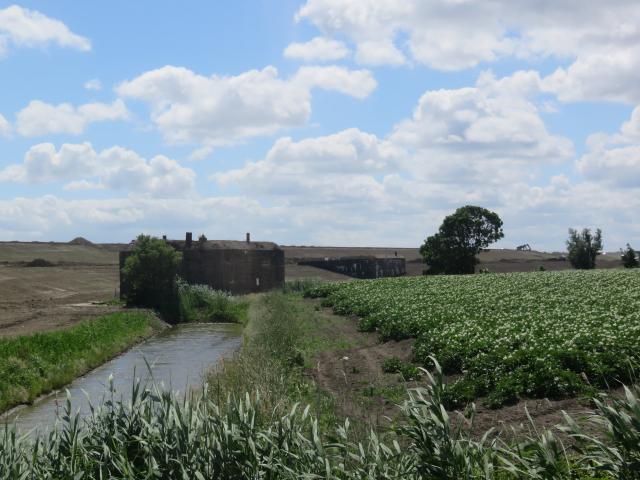
These two bunkers near Nansum, built in 1943, were part of the Atlantic Wall constructed by the Germans during World War II. These bunkers supported the FLAK batteries (anti-aircraft artillery).
Nuclear fallout shelter Drie Delfzijlen
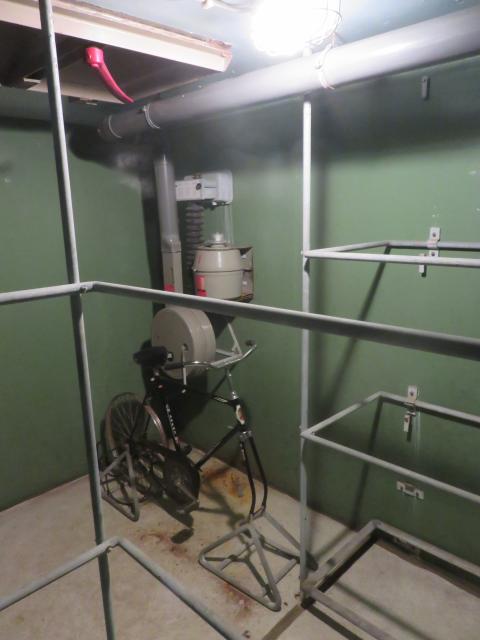
Beneath the Drie Delfzijlen pumping station is a Cold War-era nuclear fallout shelter. This shelter contains bunk beds, a toilet, and a bicycle that was used to pump in fresh air. The shelter was intended for the pumping station manager and his family.