Quality of garden ponds takes center stage during Our Water Week
What is the state of water quality in Dutch garden ponds? That is the central question during Our Water Week. The organizers of Our Water Week, together with Waterdiertjes.nl, are calling on the public to assess the quality of ponds from May 1 through May 16 by counting aquatic organisms.
Anyone can join in
Waterdiertjes.nl was launched in 2018 as an initiative of various research institutions and water management agencies. Anyone can participate in scientific research on water quality by collecting aquatic organisms and reporting their findings on Waterdiertjes.nl.
From the hundreds of measurements taken since 2018, it is striking that the water quality of garden ponds, in particular, regularly scores very well, but also poorly and very poorly. It is not yet clear why this is the case. “These ponds have the potential to become true water gems in built-up areas. That is why it is very useful to learn more about these differences in water quality,” explains scientist Edwin Peeters of Wageningen University, who is involved with Waterdiertjes.nl.
Research in our own backyard
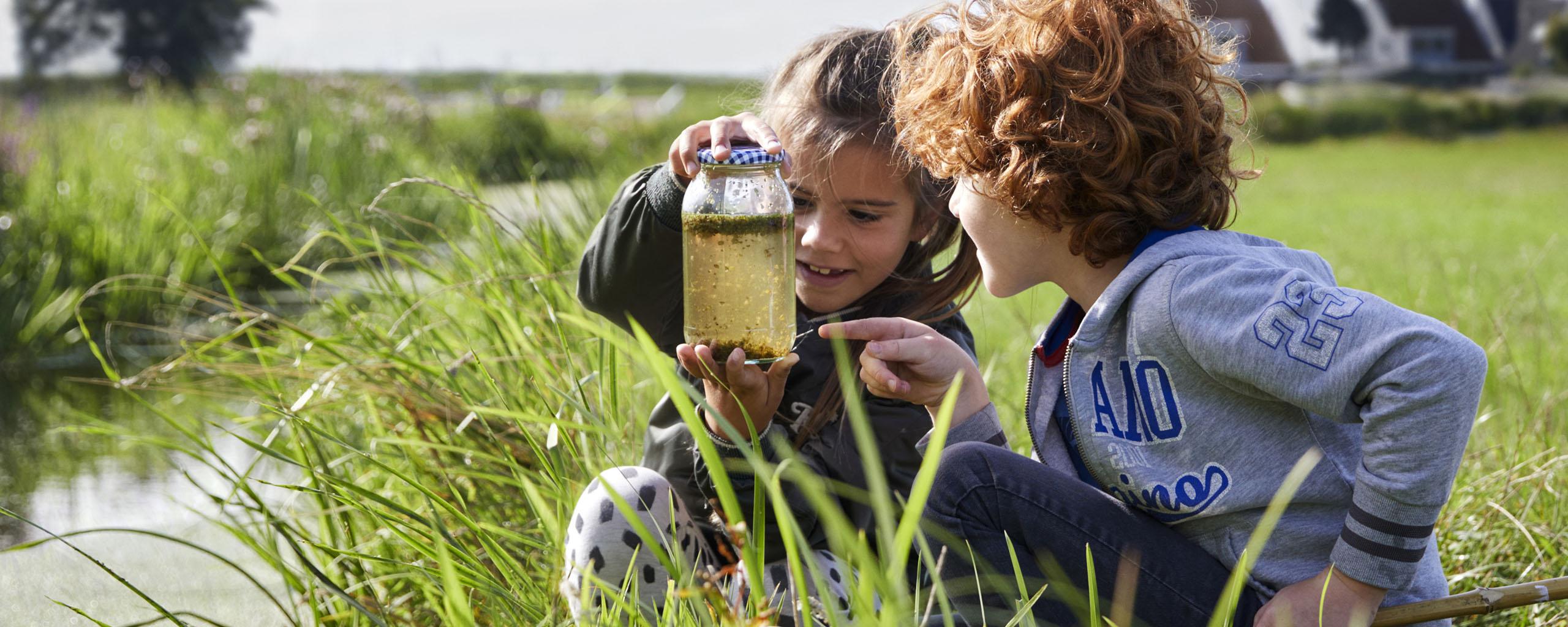
All you need is a dip net, a shallow white container, and a smartphone or tablet with Wi-Fi to help measure water quality in garden ponds. “Scoop your net through the aquatic plants and the open water. Pour some clean water into the white container and turn your net upside down into it,” explains Peeters. On Waterdiertjes.nl, participants can use the images to identify exactly which creatures they’ve found. The number of creatures spotted can then be entered and submitted. Peeters: “Once your measurement has been submitted, you’ll immediately see what the quality of your pond is. We also ask a few additional questions to learn more about the situation.” By the end of Our Water Week, Waterdiertjes.nl hopes to be able to report the first results of this citizen science project.
Aquatic organisms are a good indicator of whether water is clean or polluted. “The presence of many different animals and plants indicates good water quality. In the Netherlands, water managers such as the water boards are increasingly ensuring that the banks of ditches are constructed in an environmentally friendly manner and that fish passages are created at pumping stations. In doing so, they are promoting greater biodiversity in Dutch surface waters,” says Edwin Peeters. “On a smaller scale, private individuals can do the same by creating ponds in their gardens and using Waterdiertjes.nl to keep track of which creatures live in the pond.”
A green garden is a blue garden
In addition to people installing ponds in their gardens because they find them attractive, ponds also help boost biodiversity in the Netherlands and prevent flooding. By ensuring a wide bank when constructing the pond and not filling it to the brim, a pond can serve as temporary rainwater storage during downpours. In addition to these types of rainwater ponds, during this Week of Our Water, water managers in the Netherlands are advising homeowners to make even more water-friendly choices in gardens, on balconies, and on facades and roofs. A green garden is a blue garden. By incorporating plenty of greenery, you can help absorb excess rainwater and reduce the impact of heat.
Our Water Week
Our Water Week is an initiative of the national government, water boards, provinces, councils, drinking water companies, and Rijkswaterstaat. These organizations aim to raise awareness among the Dutch public about the unique nature of water. They do this by showcasing water management efforts in the Netherlands and by explaining what people can do themselves in the event of floods, waterlogging, and drought, as well as how we can help keep our water clean.
Activities during Our Water Week
There’s a fun scavenger hunt dyke do on the dyke in Lauwersoog! We have a lovely bike route from Gemaal De Waterwolf to Lauwersoog.