Youth Panel
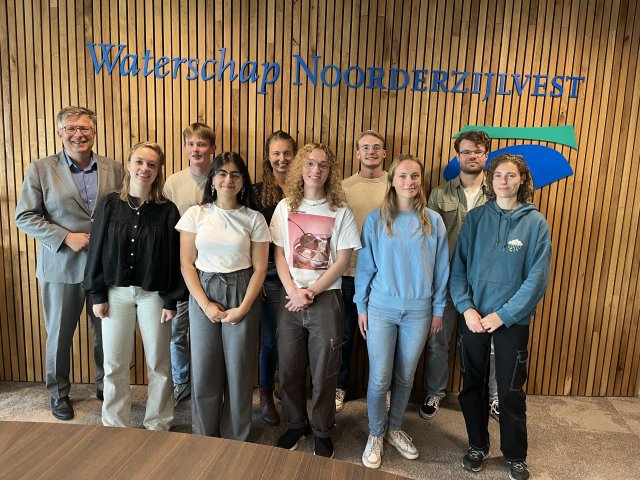
The choices we make have an impact on future generations. That’s why we involve young people in our water management efforts. We now have openings on our youth panel for the 2026–2027 school year. Do you live, work, or study in Groningen, north Drenthe, or central Drenthe? Help shape the future of water and apply!
Sustainable water management for the future
Safe, sufficient, and clean water can no longer be taken for granted. Due to climate change, we must look ahead and make choices that will shape the future—your future.
Sea levels are rising, and disruptions caused by extreme downpours and droughts are becoming more frequent. If we want to keep our quality of life, we need to start thinking carefully about the future now. How do we ensure that the dykes remain safe? How do we drain excess water and, conversely, retain water more effectively during dry periods? How do we ensure a supply of clean water?
Join the 2026–2027 Youth Panel!
Would you like to help shape the future of water? Tell us a little about yourself and why you’d like to join the panel. Email us your motivation or send a short video:
- Applications will be accepted until Friday 12 June
- The introductory interviews will take place on Monday afternoon 15 June, and Friday 19 June.
- Would you like more information? Please contact Nadia Oukake at n.oukake@noorderzijlvest.nl
Here's what you'll be doing
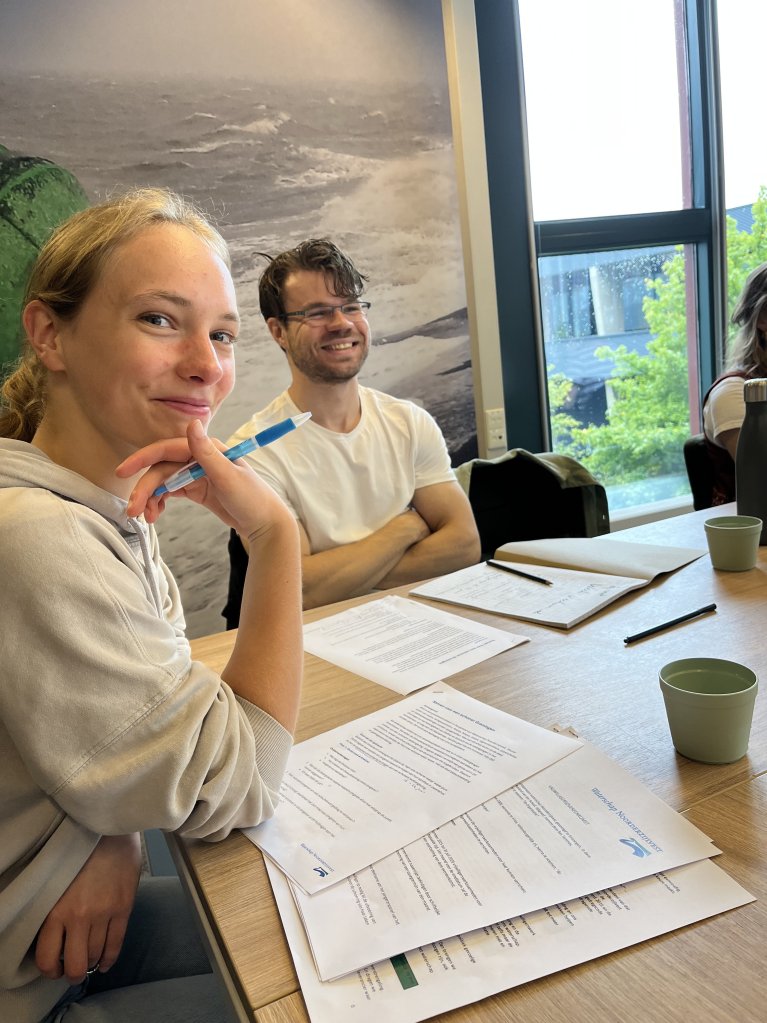
The Youth Panel gives a voice to the future. Several times a year, the Youth Panel provides advice to our organisation and the board. This advice focuses on issues related to climate, water, and the quality of the living environment. We hope that young people will primarily consider the question: does the water authority take account of the consequences for the future? You don’t need to have all the knowledge; we’ll guide you through the topics and provide you with plenty of relevant information.
Wanted
We need doers and thinkers. We’re looking for young people aged 16 to 24 from diverse backgrounds. We’d love to hear perspectives from urban and rural areas. We also want a good mix of educational backgrounds that reflects society as a whole. We’re looking for motivated secondary-school students and students from vocational and university courses.
The value of water
We also ask you to help us think ab out ways to raise water awareness among young people. Water belongs to us all, but it is also a precious resource. How can we convey that message effectively, and how can we ensure that we use water well in our region?
What do you get in return?
By participating, you’ll gain insight into water management and have a say in shaping its future. At the same time, you’ll expand your network and gain experience in an administrative setting. In addition to receiving financial compensation for each assignment, you’ll be offered many inspiring workshops. It’s also a flexible role. As water authority, we understand that young people sometimes have to juggle many responsibilities at once. During these busy periods, you may skip one assignment.